Moremi Game Reserve Safari: A Complete Guide to Wildlife, Seasons and Planning Your Visit
A Moremi Game Reserve safari offers one of the most varied wildlife experiences in Botswana. I have spent many years guiding guests through different parts of Botswana’s wilderness, and one thing that makes Moremi special is the constant change in the landscape. In one area, you may be driving through mopane woodland. A little further on, the ground opens into grassland and floodplain. In another direction, you reach permanent waterways, seasonal channels, lagoons, islands and riverine forest.
This variety is the heart of a Moremi Game Reserve safari.
Moremi is not simply a place where visitors come to tick animals off a list. It is part of a living and changing wilderness connected to the wider Okavango Delta. Water, rainfall, flood levels, vegetation and animal movements all influence what you may see and how you experience the reserve.
On a morning game drive, conditions can be completely different from those of the previous week. Elephant herds may move through woodland one day and feed along wetter areas the next. Lions may be active in open country before the heat builds. African wild dogs can cover large distances. Leopard sightings depend heavily on habitat, timing and a guide’s ability to read the area. This is why no honest professional safari guide should promise wildlife sightings.
What I can say with confidence is that Moremi offers an exceptional diversity of habitats and a strong chance of experiencing Botswana’s wildlife in a genuinely wild environment.
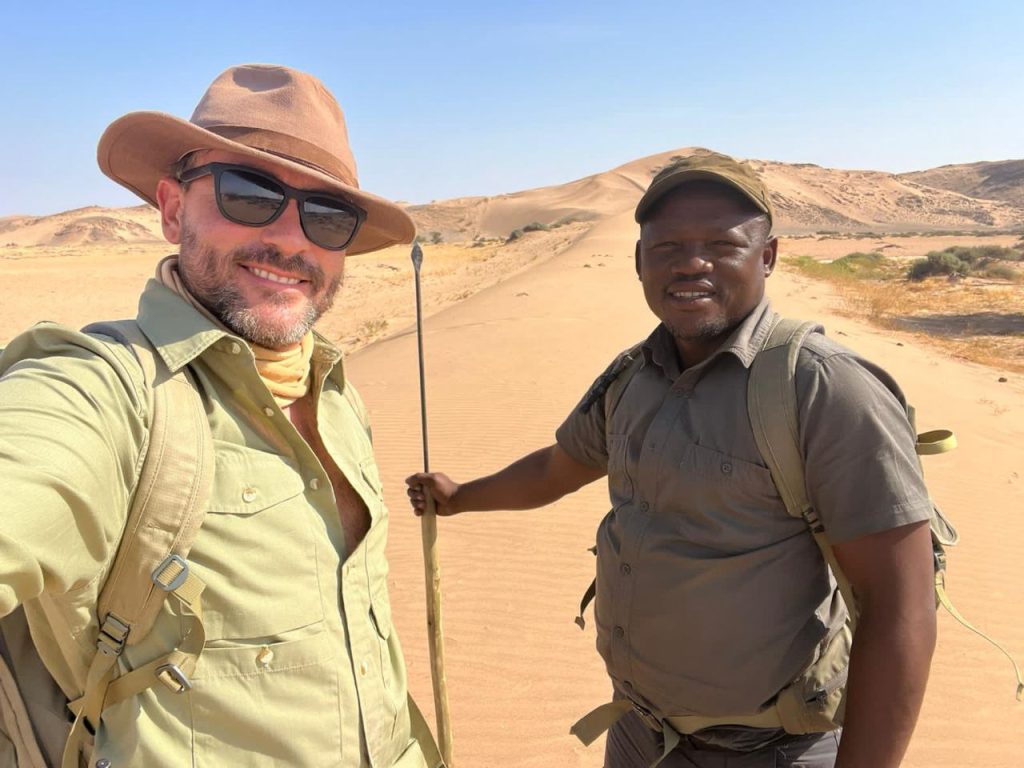
At San and Nature, our approach is shaped by real time spent in the bush. I am Kane Motswana, a professional safari guide, tracker, Bushman and award-winning wildlife photographer. I personally guide guests from around the world, sharing not only the famous animals of Botswana but also the tracks, sounds, plants, behaviour and small details that many people pass without noticing.
This guide explains what to expect from a Moremi safari, the wildlife that occurs in the reserve, the different safari activities available, the best time to visit, accommodation options, photography advice and practical planning information.
Quick Overview of Moremi Game Reserve
| Topic | What to Expect |
| Location | Northern Botswana, within the wider Okavango Delta ecosystem |
| Landscape | Floodplains, waterways, islands, woodland, grasslands and riverine habitats |
| Wildlife | Elephants, buffalo, lions, leopards, cheetahs, African wild dogs, hippos, crocodiles, giraffes, antelope and abundant birdlife |
| Best for | Wildlife enthusiasts, photographers, birdwatchers, couples, families, groups and experienced safari travellers |
| Main activities | Game drives, selected boat excursions, mokoro experiences, and photography safaris |
| Best wildlife viewing | Often excellent during the drier months, although conditions and animal movements vary |
| Green season | Greener landscapes, rain, excellent birdlife, changing animal movements and seasonal scenery |
| Accommodation | Safari camps, lodges, mobile safaris and camping, depending on the area |
| Recommended stay | At least 3 nights for a meaningful visit; 4 to 6 nights allows a more varied experience |
| Safari planning | Depends on season, access, transfers, accommodation, activities and the type of safari you prefer |
What Is Moremi Game Reserve?
Moremi Game Reserve is one of Botswana’s most important protected wildlife areas. It lies within the wider Okavango Delta ecosystem and protects a remarkable combination of wetland and dry-land habitats.
For international travellers, one important point needs to be understood clearly:
Moremi Game Reserve and the Okavango Delta are connected, but they are not the same thing.
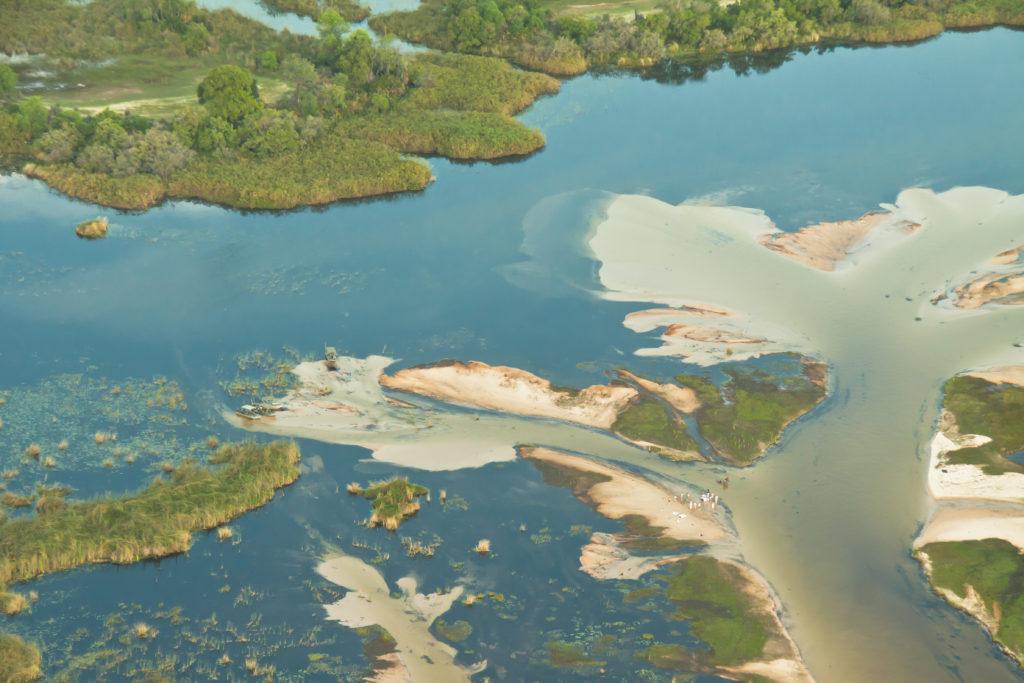
The Okavango Delta is a vast and complex wetland system. It includes permanent waterways, seasonal channels, floodplains, lagoons, islands, wildlife habitat and surrounding conservation areas. Moremi is a protected reserve located within this wider ecosystem.
This distinction matters when planning a safari.
A visitor may stay in an area associated with the Okavango Delta without actually staying inside Moremi Game Reserve. Some activities, camps and private concessions are located outside the reserve boundaries but remain part of the broader Delta environment. Access, activities and accommodation can therefore differ significantly from one safari area to another.
Moremi is especially valued because of its habitat diversity. Its landscapes include:
- Okavango wetlands
- Permanent waterways
- Seasonal channels
- Floodplains
- Lagoons
- Islands
- Mopane woodland
- Savanna
- Open grasslands
- Riverine forest
This mixture creates a highly productive and varied wildlife habitat.
As a guide, I believe habitat is one of the most important things to understand before looking for wildlife. Animals do not simply appear everywhere. Each species uses the landscape differently. Knowing where to look, what signs to read and how recent weather and water conditions have changed an area can make a major difference to the quality of a safari.
That is one reason a knowledgeable Moremi safari guide can add so much to the experience.
Why Choose a Moremi Game Reserve Safari?
A Moremi Game Reserve safari is particularly attractive to travellers who want variety.
Some Botswana safari destinations are strongly associated with one particular landscape or wildlife experience. Moremi brings several environments together. You can spend time looking for predators in open areas, photograph elephants in woodland, explore wetland scenery and encounter a wide range of bird species within the same broader safari region.
The appeal is not only the number of animals.
It is the diversity of the environment in which you encounter them.
The landscape changes the safari experience
Driving through Moremi, you quickly understand that the habitat influences almost everything. A leopard may be easier to spot in suitable woodland or riverine habitat than in open grassland. Cheetahs generally use different country from animals that prefer dense cover. Elephants can move between woodland and wetter areas depending on food and water availability.
Predator-prey interactions also vary according to habitat and season.
This means that a good Moremi wildlife safari should not be rushed. The more time you have in different areas, the more opportunity there is to understand the landscape and experience the changing character of the reserve.
Moremi suits different types of travellers
A Moremi safari experience can work well for:
- First-time safari visitors
- Experienced safari travellers
- Wildlife enthusiasts
- Professional and amateur photographers
- Birdwatchers
- Couples
- Families
- Private groups
- Guests interested in mobile safaris
- Travellers who prefer camping
- People interested in guided bush walks where these are legally and operationally available
The best itinerary depends on what matters most to you.
A photographer may want to spend more time at each sight and start early in the morning for better light. A birdwatcher may prefer to spend more time around wetlands.
At San and Nature, I prefer to build the safari around the guest rather than forcing every traveller into exactly the same programme.
Wildlife You Can See in Moremi Game Reserve
The diversity of Moremi Game Reserve wildlife is one of the main reasons people travel here.
The reserve supports a broad range of mammals, birds and reptiles because of its varied habitats. However, wildlife viewing is never fixed. Animal encounters are influenced by season, water levels, rainfall, vegetation, prey availability, breeding patterns and natural animal movements.
For this reason, nobody should promise that you will see a particular species on a particular day.
A realistic safari is based on opportunity, patience and good field knowledge.
Moremi elephants
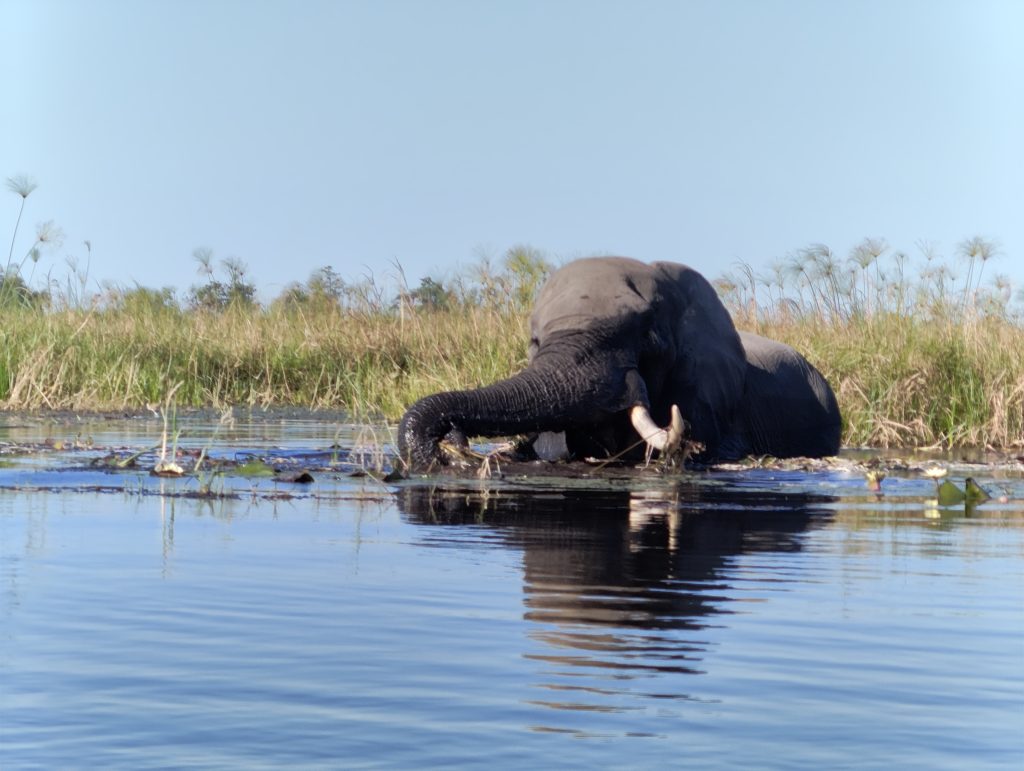
Moremi elephants are among the animals commonly encountered in the wider reserve and Delta ecosystem. You may see individual bulls, small groups or larger elephant herds depending on the area and time of year.
Elephants are constantly moving in response to food, water, social behaviour and other environmental conditions. The experience of seeing them can be very different depending on where you encounter them.
One of the important rules I always follow is to give elephants space and allow them to behave naturally. A good sighting is not about getting as close as possible. It is about reading the animal and positioning the vehicle responsibly.
Moremi lions
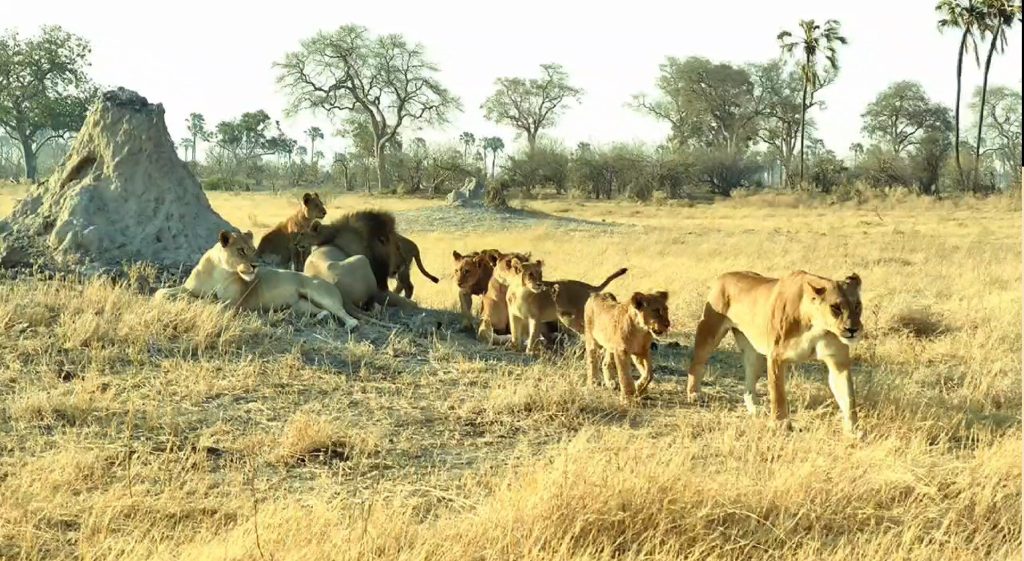
Moremi lions occur in the reserve and wider ecosystem. Lions may be encountered in open grassland, floodplain areas and other habitats where prey is available.
Their movements are not predictable.
A pride seen regularly in one area may move elsewhere. During hotter periods, lions can spend long hours resting. Early morning and late afternoon often provide more favourable conditions for observing activity, but nature does not work according to a timetable.
Moremi leopard sightings
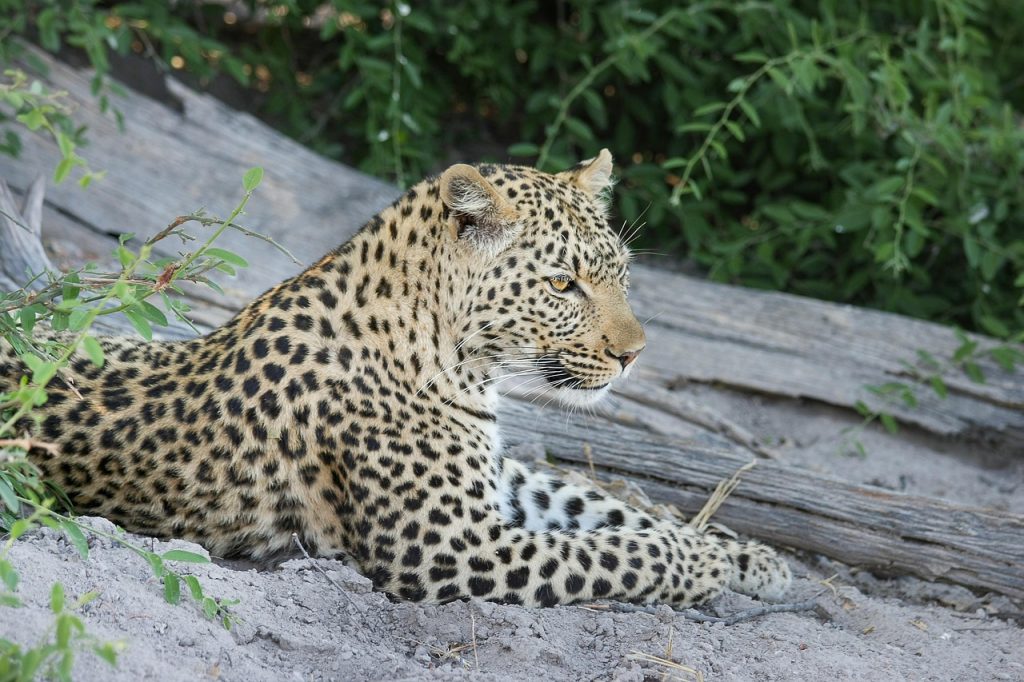
Moremi leopard sightings are possible, particularly in suitable habitat, but leopards are naturally difficult animals to predict.
Leopards use cover, trees, drainage lines and riverine environments effectively. Sometimes the best clue is not seeing the animal directly. It may be alarm calls, tracks, fresh signs or the behaviour of other animals.
This is where tracking experience becomes important.
Moremi cheetahs
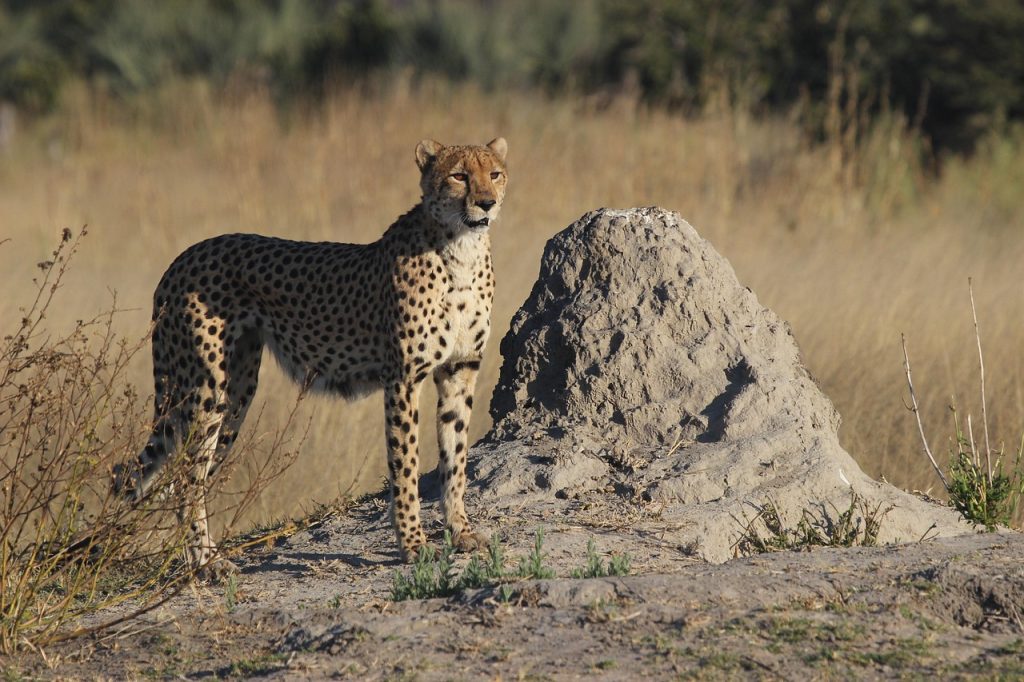
Moremi cheetahs may be encountered in suitable open habitats. Cheetahs depend on visibility and space in a different way from animals that rely more heavily on dense cover.
They can cover large areas, and a sighting should never be guaranteed. When you do find one, patience is important. It is better to observe natural behaviour quietly than to pressure an animal for a photograph.
Moremi African wild dogs
Moremi African wild dogs are among the most exciting animals travellers hope to encounter. The Moremi and wider Okavango region are well known for important populations of African wild dogs.
These highly mobile predators can travel long distances. A pack may be located one day and far from that area later. Their movements are influenced by hunting, denning periods, pack behaviour and the wider landscape.
Wild dog sightings are therefore about opportunity and good timing, not promises.
Moremi buffalo
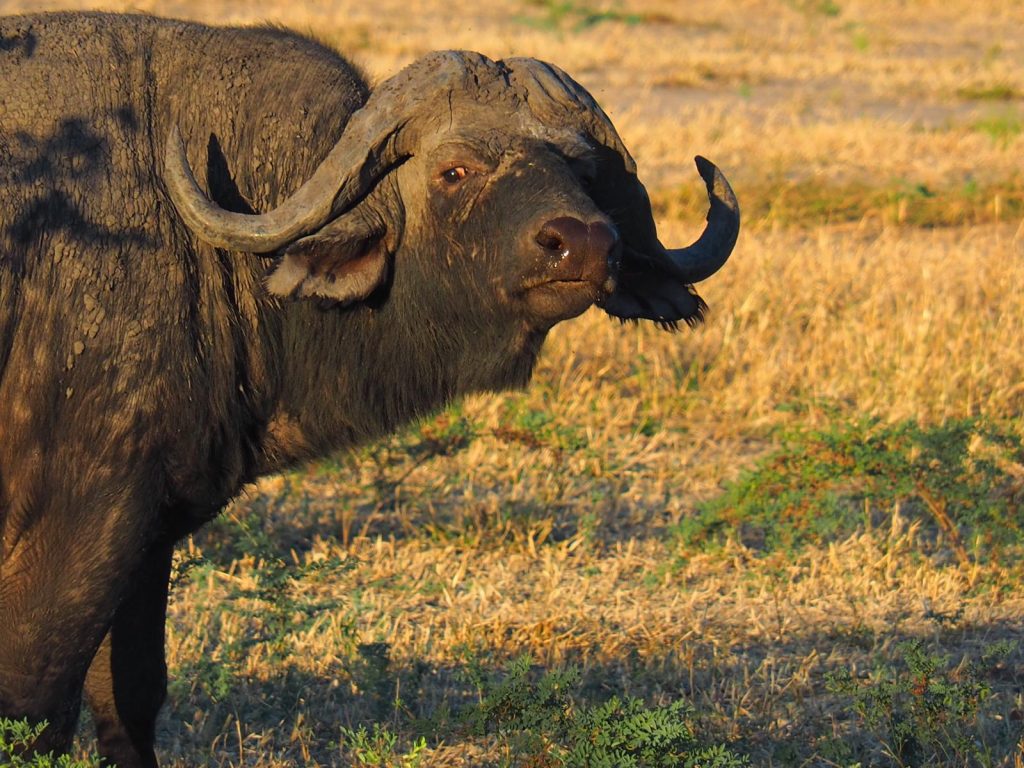
Moremi buffalo occur in the region and can be encountered in herds or smaller groups. Their movements depend on grazing, water and season.
Hippos and crocodiles
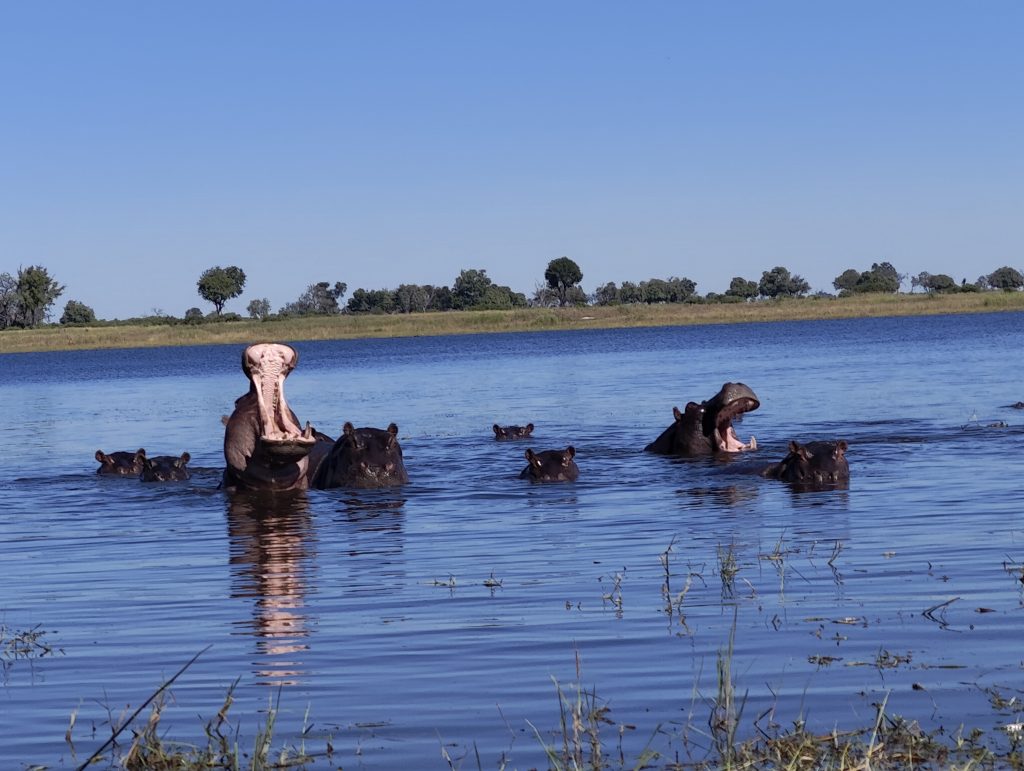
Moremi hippos and Moremi crocodiles are associated with suitable permanent water habitats. Boat excursions and mokoro experiences can provide a different perspective on the wetland environment, but water activities should always be conducted through experienced, properly operated safari arrangements.
Hippos are powerful wild animals. Crocodiles should also be treated with respect. Wildlife viewing must never interfere with natural behaviour or ignore safety.
Giraffes and antelope
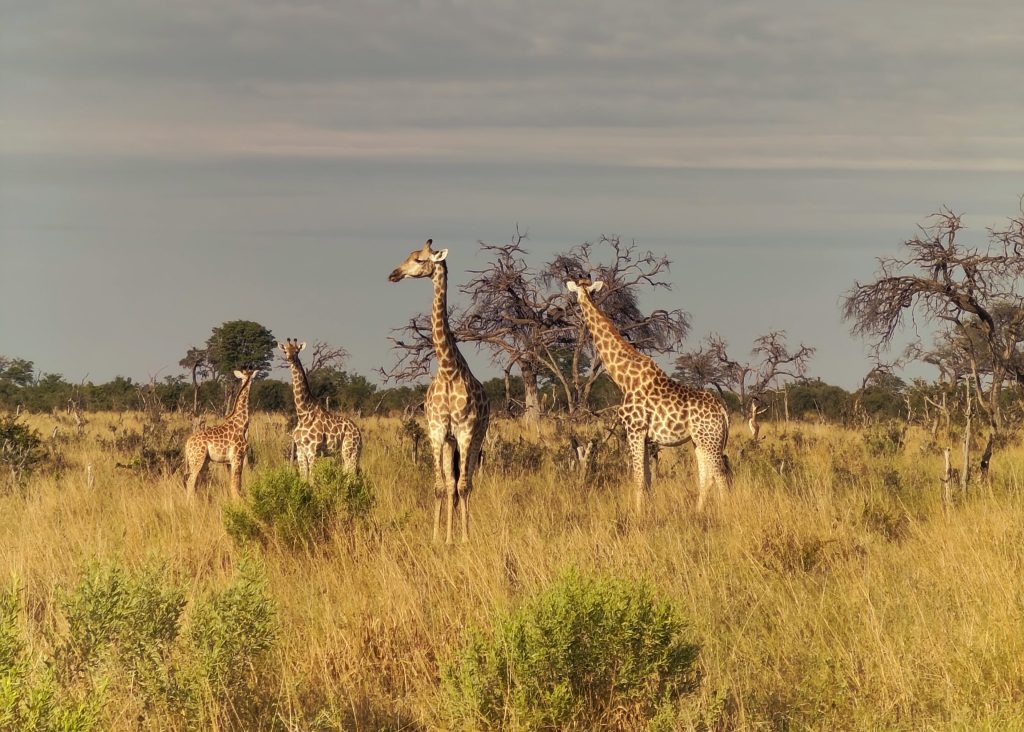
Moremi giraffes and numerous Moremi antelope species may be seen across the reserve and surrounding habitats.
Species vary according to habitat. Open grasslands, woodland, wetter areas and forested habitats support different animals. This is one reason Moremi is particularly interesting for guests who enjoy looking beyond only the famous large mammals.
Birdlife in Moremi
Moremi birdwatching can be rewarding throughout the year.
The combination of wetlands, waterways, woodland and open areas creates habitat for a broad range of bird species. Seasonal conditions can also bring migratory birds and change the composition of species present.
For bird enthusiasts, a Moremi bird safari can be planned with more time in appropriate habitats and at times of day when bird activity is often higher.
The Big Five in Moremi Game Reserve
Travellers often ask about the Moremi Big Five.
The term Big Five refers to:
- Lion
- Leopard
- Elephant
- Buffalo
- Rhinoceros
Moremi and the wider northern Botswana conservation landscape support opportunities to see these species, but sightings must never be guaranteed.
It is especially important to understand that rhino distribution and safari opportunities can be more limited and depend on current conservation and management conditions. Wildlife populations, movements and access can change, and it is better to confirm current safari possibilities with your operator rather than relying on an old travel article.
A successful safari should never be judged only by whether all five species are seen.
I have guided many guests who came hoping to see the Big Five but later told me that one of their strongest memories was something completely different: following fresh tracks, watching elephants quietly feed, observing a bird species they had never seen before, or sitting near a waterway and listening to the sounds of the bush.
That is the reality of a proper Botswana wildlife safari.
African Wild Dogs and Predators in Moremi
The wider Moremi and Okavango region is one of the most interesting areas in Botswana for travellers who are passionate about predators.
You may encounter:
- African wild dogs
- Lions
- Leopards
- Cheetahs
- Spotted hyenas
- Smaller carnivores, depending on habitat and opportunity
Understanding predator sightings
Predators are not static attractions.
They move.
They rest.
They hunt.
They follow prey.
They raise young.
They disappear into thick vegetation.
Sometimes you find a predator after reading signs that are only minutes old. Other times, you follow tracks for a long distance and the animal is already gone.
This is part of what makes a guided safari interesting.
As a tracker and Bushman, I have learned that the ground often tells a story before the eyes see the animal. A track can tell you the direction of travel. Broken grass, fresh droppings, disturbed soil and alarm calls can add more information. But tracking does not mean forcing a sighting. Sometimes the correct decision is to read the signs, understand what happened and leave the animal to move naturally.
African wild dogs require patience
Wild dogs are particularly difficult to predict because they are so mobile.
During an active period, they may cover considerable distances. A safari vehicle cannot simply wait in one place and expect them to arrive.
When we do encounter wild dogs, I believe responsible viewing is essential. The objective should be to observe the pack without changing its natural movement or behaviour.
Safari Activities in Moremi
A Moremi safari can include several different activities, but availability depends on the specific area, concession, camp, operator and seasonal conditions.
Not every activity is available everywhere.
That point is important when planning.
Game Drives
Moremi game drives are the foundation of many safaris.
They allow guests to cover a wider area and explore different habitats in search of wildlife. Early morning and late afternoon are often productive times because temperatures are generally lower and many animals are more active.
A game drive should not be a race.
The best guides pay attention to the smaller details:
- Fresh tracks
- Animal alarm calls
- Bird behaviour
- Recent movement patterns
- Wind direction
- Habitat changes
- Signs of predators or prey
For me, a good game drive is not measured by how many sightings we collect. It is measured by how well we understand and experience the bush.
Boat Safaris
A Moremi boat safari can provide a completely different perspective on the Okavango wetland environment where suitable water access and operations are available.
From the water, guests may observe:
- Hippos
- Crocodiles
- Waterbirds
- Elephants near the water
- Reptiles
- Wetland vegetation
- Bird species associated with lagoons and channels
Water levels and access can affect whether boat excursions are available. This is why a safari itinerary should be planned according to the specific season and location.
Mokoro Experiences
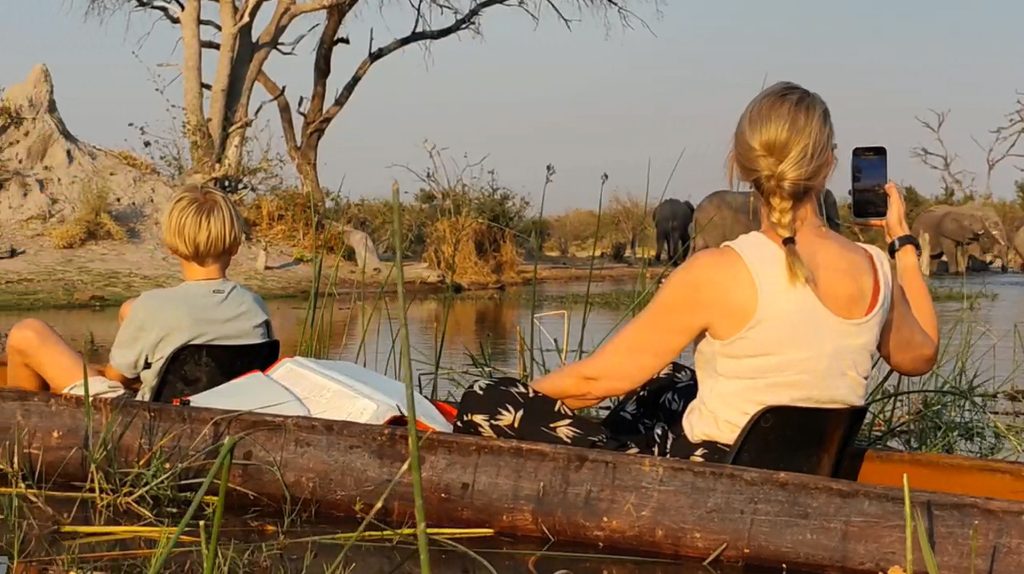
A Moremi mokoro safari offers a slower way to experience the waterways and floodplain environment where mokoro excursions are available.
A mokoro is not simply transport.
It changes the pace of the safari.
You sit close to the water and move quietly through channels while a local poler guides the mokoro. It is an experience that encourages guests to notice smaller things: insects, birds, water plants, frog calls and the movement of the landscape around them.
For travellers interested in the wider Delta ecosystem, an Okavango Delta Mokoro Safari can be an excellent addition to a Moremi itinerary.
Again, availability depends on water conditions and the specific area.
Best Time to Visit Moremi Game Reserve
The best time to visit Moremi Game Reserve depends on what you want from your safari.
There is no single answer that suits every traveller.
Some guests want drier conditions and concentrated wildlife. Others prefer green landscapes, migratory birds and quieter safari periods. Photographers may choose dates based on light, scenery and their target subjects.
The two broad periods most travellers consider are the drier season and the greener, wetter season.
The Moremi Game Reserve weather can vary from year to year. Rainfall, flood levels and water distribution are influenced by larger environmental conditions, so exact seasonal patterns should not be treated as guarantees.
Moremi Game Reserve During the Dry Season
The Moremi dry season is often attractive for wildlife viewing because rainfall is generally lower and many safari areas become easier to explore under drier conditions.
Vegetation can become less dense in some habitats, which may improve visibility.
Water availability can also influence wildlife distribution. Animals may use areas around permanent water sources, although the Okavango system is complex and local conditions vary considerably.
Advantages of the drier season
- Often easier wildlife visibility in some habitats
- Generally lower rainfall
- Cooler mornings and evenings during the colder months
- Good conditions for extended game drives
- Strong opportunities for photography
- Wildlife movements may become easier to follow in certain areas
Things to consider
Dry season travel is popular. Some camps and safari services can have limited availability, particularly for travellers booking late.
Cold mornings are also possible during Botswana’s winter months. Guests often underestimate how cold an open safari vehicle can feel before sunrise.
A warm layer is important.
Moremi During the Green Season
The Moremi rainy season, often referred to by safari travellers as the Moremi green season, brings a different character to the landscape.
Rain changes the colours of the bush. Grasslands become greener. Seasonal water can appear in areas that were previously dry. Birdlife can become particularly interesting, including migratory birds.
This period can also be attractive for photographers who prefer green landscapes and dramatic skies.
What to expect during the green season
- Greener landscapes
- Changing weather
- Rain showers
- More lush vegetation
- Excellent birdlife opportunities
- Seasonal migratory birds
- Young animals may be seen, depending on species and timing
- More challenging wildlife visibility in some dense vegetation
Rain does not mean that a safari stops.
Wildlife is still there.
However, daily plans may need to be more flexible. Roads and tracks can change. Weather can affect access. A good safari guide and well-prepared operator understand that the bush cannot be controlled.
Moremi Safari Seasons and Water Levels
The relationship between rainfall and the Okavango Delta flood Moremi system can be confusing for first-time visitors.
The highest water levels in parts of the Okavango system do not necessarily coincide exactly with local rainfall.
Water reaching the Delta originates far beyond Moremi, and the flood system moves through the landscape over time. As a result, local rainfall and flood conditions are separate processes, even though both influence the safari environment.
This is one of the reasons Moremi can change so dramatically through the year.
When planning around water-based activities, always discuss your dates and expectations with a safari operator who understands the current conditions.
Moremi and the Okavango Delta
Moremi is deeply connected to the Okavango Delta, but the two terms should not be used as though they mean exactly the same thing.
The Delta is a vast ecological system.
Moremi Game Reserve is a protected area within that wider environment.
A safari itinerary can therefore combine different parts of the region:
- Moremi Game Reserve
- Wetland areas
- Private concessions
- Permanent waterways
- Seasonal floodplains
- Other protected landscapes connected to the broader northern Botswana ecosystem
This combination is one of the strengths of a Botswana safari.
You may spend several days on land-based game drives and then move to an area where water activities become part of the experience. Another part of the itinerary may focus on walking or mobile camping.
For travellers who want to understand this wider landscape in more detail, our Okavango Delta Safari guide is a useful place to continue planning.
Where to Stay in Moremi Game Reserve
Accommodation around Moremi can range from established safari camps and lodges to private mobile safari operations and camping.
The right choice depends on how you want to experience Botswana.
Safari camps and lodges
Permanent or semi-permanent safari camps may provide accommodation, meals, guiding and scheduled activities.
Depending on the location, camps can offer different combinations of:
- Game drives
- Water activities
- Private guiding
- Photography opportunities
- Cultural interpretation
- Specialist wildlife experiences
Not all camps offer the same activities, even when they are close to the wider Moremi or Delta region.
Mobile safaris
A Moremi mobile safari is an excellent option for travellers who want a more direct connection with the wilderness.
A professionally operated mobile safari can move guests between different areas and provide a flexible itinerary focused on wildlife and landscapes.
At San and Nature, this type of safari is especially meaningful to me because it brings people closer to the way I personally understand the bush.
You wake up with the sounds of the wilderness around you. You travel with purpose. You spend more time outside and less time separated from the environment.
A mobile safari does not mean sacrificing professionalism. Good equipment, proper camp management, experienced guides and responsible operations are essential.
Camping safaris
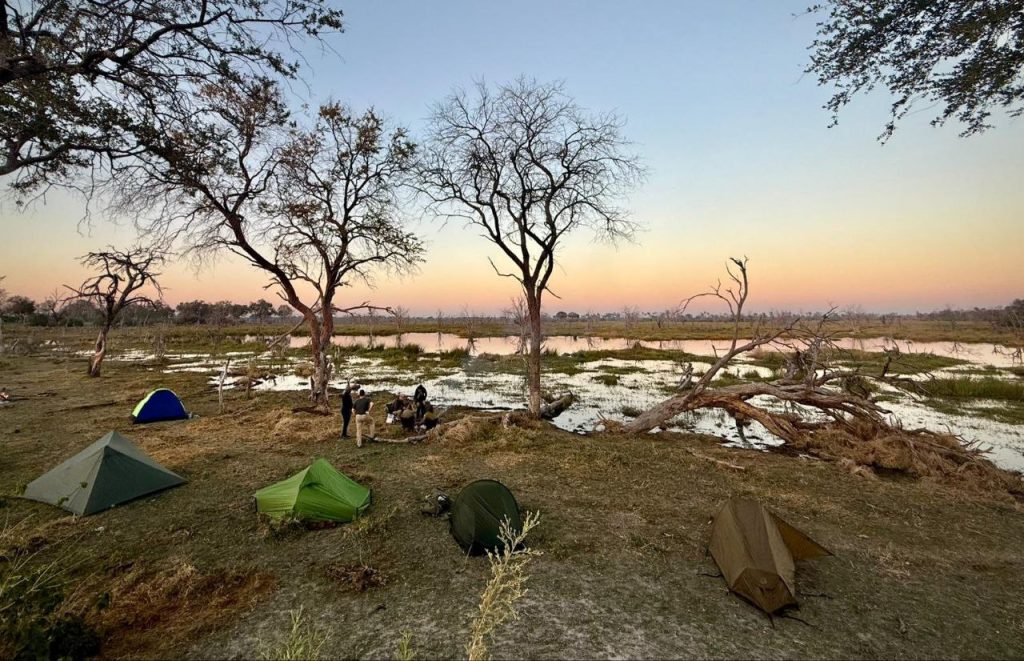
A Moremi camping safari may appeal to travellers who enjoy being close to nature.
Camping requires more preparation than staying in a lodge. You need the right equipment, realistic expectations and a professional team when travelling in wildlife areas.
For guests who prefer walking and a stronger connection with the bush, camping can be combined with other safari experiences where operationally and legally appropriate.
How Many Days Do You Need in Moremi?
I generally advise travellers not to rush Moremi.
Two nights
Two nights can give you a brief introduction, but you may feel that the visit ends just as you are beginning to understand the area.
It can work as part of a longer Botswana safari itinerary.
Three to four nights
For many travellers, three or four nights provides a better balance.
You have time for multiple game drives and more opportunity to explore different habitats.
Five to six nights or longer
A longer stay is particularly valuable for:
- Wildlife photographers
- Birdwatchers
- Guests interested in predators
- Travellers who enjoy slower game viewing
- Private safaris
- Mobile camping safaris
- Visitors combining Moremi with water-based activities
More time does not guarantee more species.
What it gives you is something more important: more opportunity.
Wildlife does not follow an itinerary. The extra days allow you to return to productive areas, wait for changing light, follow fresh signs and adapt to what the wilderness is offering.
For a broader journey, you may wish to combine Moremi with a Botswana Safari Itinerary, the Okavango Delta or other major wildlife destinations such as a Chobe National Park Safari.
Moremi Safari Cost
There is no single fixed Moremi safari cost.
The price depends on several important factors.
What affects the cost?
- Time of year
- Accommodation style
- Number of nights
- Private or shared safari
- Type of camp
- Mobile or lodge-based safari
- Internal flights or road transfers
- Included activities
- Group size
- Guide and vehicle arrangements
- Special photography or private guiding requirements
A simple camping safari and a high-end lodge safari can have completely different costs even when both visit the same broader region.
When comparing Moremi safari tours, I recommend looking carefully at what is actually included.
Ask about:
- Accommodation
- Meals
- Park and conservation fees where applicable
- Transfers
- Flights
- Activities
- Private vehicle use
- Guide services
- Drinks and other extras
- Photography arrangements if important to you
The cheapest price is not always the best value, and the highest price does not automatically mean the best safari for your interests.
A well-planned safari should match your budget and priorities.
Photography in Moremi Game Reserve
Moremi wildlife photography can be extremely rewarding because of the variety of habitats and subjects.
As an award-winning wildlife photographer, I know that photography on safari is not only about owning the biggest lens.
Light, positioning, patience and behaviour are often more important.
Use the best available light
Early morning and late afternoon often provide softer light and more comfortable conditions for photography.
However, you should not ignore the middle of the day completely.
Clouds, dramatic weather, high-key images and behavioural moments can produce strong photographs at any time.
Choose lenses according to your subjects
A versatile setup may include:
- A wider lens for landscapes and environmental wildlife images
- A medium zoom for larger animals and closer encounters
- A longer telephoto lens for distant wildlife and birds
There is no perfect lens for every Moremi safari.
If you are photographing birds, you may want more reach. If you want to include elephants in the wider landscape, a wider lens can be more useful.
Vehicle positioning matters
Good photography depends on where the vehicle stops.
I always consider:
- The direction of light
- Background
- Distance
- Animal behaviour
- Other vehicles
- The possibility of blocking an animal’s natural movement
A photograph is never worth disturbing wildlife.
Be patient
Many strong photographs come from waiting.
Instead of taking one picture and immediately leaving, spend time observing. Animals often change position, interact with each other, feed, move or react to their environment.
Understanding behaviour improves photography.
Ethical wildlife photography
Never pressure an animal for an image.
Never block its path.
Never chase wildlife.
Never encourage a guide to drive too close simply for a photograph.
A good image should come from patience and respect.
For more specialist planning, San and Nature can also help travellers design a Botswana Safari Photography itinerary based on the species and landscapes they want to photograph.
Planning Your Moremi Safari
Planning a Moremi Game Reserve safari starts with a few practical questions.
1. What are your travel dates?
Your dates influence:
- Availability
- Weather conditions
- Accommodation choice
- Water-based activities
- Photography conditions
- Travel logistics
If your dates are flexible, you have more options.
2. What wildlife interests you most?
Tell your guide or operator whether you are most interested in:
- Predators
- African wild dogs
- Elephants
- Birds
- Photography
- General wildlife diversity
- Wetland scenery
This helps create a more suitable itinerary.
3. What type of accommodation do you prefer?
Do you want:
- A safari lodge
- A tented camp
- A mobile safari
- Camping
- A private safari
- A combination of different styles
There is no single correct answer.
4. How much time do you have?
For international travellers, I often recommend allowing enough time to enjoy Botswana without rushing between destinations.
Travel days, charter flights and road transfers all take time.
A good itinerary allows the wilderness to set part of the rhythm.
5. Choose an operator with real local knowledge
A safari operator should understand the areas being sold.
At San and Nature, I do not see a safari simply as a hotel booking with game drives added to it.
I am personally involved in guiding, tracking and understanding the wilderness where our guests travel. My San heritage, traditional tracking knowledge and years of guiding give me a different way of reading the bush.
As a professional wildlife photographer, I also understand what photographers need from a guide: patience, positioning, light and time.
That combination is one of the reasons guests travel with us from different parts of the world.
Practical Travel Tips for Moremi
Book well in advance
Popular safari periods and smaller camps can fill early.
This is especially important if you want:
- Specific dates
- A particular camp
- Private guiding
- A mobile safari
- Internal charter flights
Travel with flexible expectations
Wildlife is wild.
Your best sighting may happen on the first morning or the final afternoon.
Do not judge the safari hour by hour.
Listen to your guide
A professional safari guide is responsible for your safety and for responsible wildlife viewing.
If your guide asks you to remain seated, stay quiet or keep your distance, there is usually a reason.
Respect the environment
Do not leave litter.
Do not remove natural objects.
Keep noise low around wildlife.
Follow camp and guide instructions.
Responsible tourism helps protect the Botswana wilderness that people travel so far to see.
What to Pack for a Moremi Game Reserve Safari
Your packing list should depend on the season and activities.
Essential clothing
- Lightweight shirts
- Long-sleeved shirts for sun and insect protection
- Comfortable trousers
- Shorts where appropriate
- Warm layer for cold mornings
- Light waterproof jacket during wetter periods
- Hat
- Comfortable closed shoes
Safari equipment
- Binoculars
- Camera and suitable lenses
- Extra memory cards
- Spare batteries
- Chargers
- Dust protection for camera equipment
- Reusable water bottle
- Small day bag
- Headlamp or torch
Health and personal items
Speak to a qualified travel health professional before travelling for advice relevant to your itinerary and current recommendations.
Carry:
- Personal medication
- Basic toiletries
- Sun protection
- Insect protection where appropriate
Your operator should also provide current practical advice based on your travel route and accommodation.
Choosing the Right Equipment for Your Safari
The best equipment depends on the type of safari.
For game drives
Prioritise:
- Binoculars
- Camera
- Warm layer for early starts
- Sun protection
For boat and mokoro activities
Consider:
- Waterproof protection for electronics
- Sun protection
- Secure camera straps
- Light clothing
- A dry bag if recommended by your operator
Do not bring unnecessary equipment simply because you think you may need it.
Safari travel is easier when you carry practical gear that you will actually use.
Responsible Tourism and Conservation in Moremi
Moremi is not a zoo or a private attraction.
It is part of a sensitive wildlife ecosystem.
Every visitor has a responsibility to respect the landscape and the animals living in it.
Responsible tourism includes:
- Keeping a safe and respectful distance from wildlife
- Following guide instructions
- Avoiding unnecessary noise
- Never feeding animals
- Supporting properly managed safari operations
- Respecting local communities and staff
- Minimising waste
Community tourism and local knowledge also matter.
Botswana’s wilderness is connected to the people who have lived with these landscapes for generations. When travellers choose responsible local operators and guides, they can gain a deeper understanding of the country while supporting people whose knowledge is rooted in the land.
For me, this is personal.
I grew up with knowledge passed down through my family and the San Bushmen. Tracking, reading animal signs and understanding the natural environment were not things I learned from a classroom alone. They came from life in the bush.
I now bring that knowledge into my professional guiding while respecting modern conservation and safari standards.
Frequently Asked Questions
Is Moremi Game Reserve worth visiting?
Yes. Moremi is one of Botswana’s most diverse safari destinations because of its combination of wetlands, floodplains, waterways, woodland, grasslands and rich wildlife habitat. It is particularly suitable for travellers who want variety rather than a single type of landscape.
What wildlife can I see in Moremi Game Reserve?
You may encounter elephants, buffalo, lions, leopards, cheetahs, African wild dogs, giraffes, hippos, crocodiles, antelope and a wide variety of bird species. Sightings depend on season, habitat, water conditions and natural animal movements.
Can I see the Big Five in Moremi?
Moremi and the wider northern Botswana conservation landscape offer opportunities to encounter Big Five species, but no sightings should be guaranteed. Rhino opportunities can be more limited and should be confirmed according to current conservation and safari conditions.
What is the best time to visit Moremi Game Reserve?
The best time depends on your interests. Drier months are often preferred for wildlife viewing and lower rainfall, while the green season offers greener landscapes, changing conditions and excellent birding opportunities.
How many days should I spend in Moremi?
Three to four nights is a good starting point for many travellers. Five or more nights allows more time to explore different habitats and increases the flexibility of the safari.
Is Moremi Game Reserve part of the Okavango Delta?
Moremi is part of the wider Okavango Delta ecosystem, but Moremi Game Reserve and the Okavango Delta are not identical terms. The Delta is a much broader wetland system that includes different protected areas, waterways, floodplains and conservation landscapes.
Are boat safaris available in Moremi?
Boat activities depend on the specific location, camp, concession and seasonal water conditions. Not every Moremi safari includes a boat safari.
Can I do a mokoro safari in Moremi?
Mokoro experiences are available in suitable areas of the wider Delta environment, depending on water levels, access and safari arrangements. If this is important to you, include it when planning your itinerary.
Can I do a walking safari in Moremi?
Walking safari opportunities depend on the exact area and applicable operating regulations. Walking should only be done with properly qualified professional guides and in areas where the activity is permitted and suitable.
Is Moremi good for wildlife photography?
Yes. The diversity of habitats, wildlife and landscapes makes Moremi an excellent destination for photography. Good photography depends on season, light, guide knowledge, vehicle positioning, patience and ethical wildlife viewing.
Is Moremi suitable for first-time safari travellers?
Yes. A well-planned and professionally guided Moremi safari can be suitable for first-time visitors as well as experienced safari travellers.
How much does a Moremi safari cost?
The cost varies according to season, accommodation, number of nights, transfers, flights, activities, group size and whether the safari is private, shared, mobile or lodge-based. A personalised quotation is the best way to understand the real cost of the itinerary you want.
Final Thoughts: Planning a Moremi Game Reserve Safari
A Moremi Game Reserve safari is about much more than searching for famous animals.
It is about moving through a landscape where water and land meet. It is about understanding why elephants use one habitat and predators another. It is about following fresh tracks, listening to alarm calls, watching changing weather and learning that every day in the African wilderness is different.
That is why I believe Moremi deserves time.
Do not rush through it simply to say that you have been there.
Spend time in the different habitats. Go out early. Stay out late when conditions allow. Ask your guide questions. Watch the smaller animals. Listen to the birds. Put the camera down occasionally and simply experience the wilderness around you.
At San and Nature, we can help you design a personalised Moremi Game Reserve safari based on your travel dates, wildlife interests, preferred safari activities, accommodation style and budget.
Whether you are interested in a private guided safari, wildlife photography, African wild dogs, birdwatching, camping, mobile safaris, mokoro experiences or combining Moremi with the wider Okavango Delta, we will help you plan the journey around what matters most to you.