
Central Kalahari Game Reserve – Discover Botswana’s Wild Heart
Discover the Central Kalahari Game Reserve Safari with San and Nature. Explore Botswana’s vast wilderness, desert wildlife, best seasons, safari activities, and expert-guided experiences in Africa’s largest game reserve.
Welcome to the Central Kalahari Game Reserve – Botswana’s Last True Wilderness
The Central Kalahari Game Reserve is raw, open, and deeply humbling. This is not a place shaped for comfort or crowds. It is a place that still belongs to nature, where silence stretches for miles and every animal track tells a story written overnight in the sand.
Located in the heart of Botswana, the Central Kalahari Game Reserve, often called CKGR, is one of the largest protected wildlife areas on Earth. Covering more than 52,000 square kilometers, it protects an ancient desert ecosystem that has supported wildlife and San Bushman communities for thousands of years.
A Central Kalahari Game Reserve Safari is about patience, perspective, and understanding the desert. It is for travelers who want space, authenticity, and wildlife encounters that feel earned rather than guaranteed.
At San and Nature, I guide you through this landscape the way my ancestors understood it, reading the ground, the wind, and the behavior of animals. This is the Kalahari as it truly is.
Where Is the Central Kalahari Game Reserve?
The Central Kalahari Game Reserve lies in central Botswana, far from towns, fences, and permanent settlements. It sits south of Maun and west of the Makgadikgadi Pans, forming the heart of the greater Kalahari Basin.
Access is typically via Maun, followed by a long 4×4 journey or a light aircraft charter to remote airstrips near camps.
Key Areas Within the Reserve Include:
- Deception Valley
- Sunday Pan
- Passarge Valley
- Piper Pan
- Tau Pan
- Leopard Pan
Each area has its own character, wildlife movement patterns, and seasonal changes, making expert guiding essential.
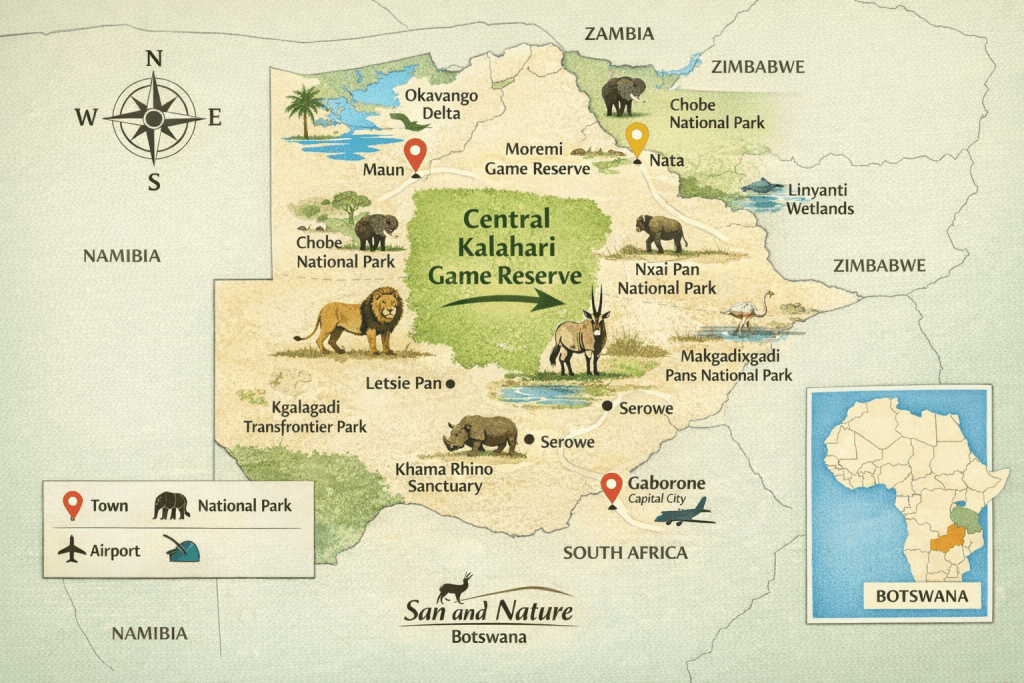
What Wildlife Can You See in the Central Kalahari Game Reserve?
Wildlife in the Central Kalahari is adapted to arid conditions and vast distances. Sightings are not crowded, but when they happen, they are often intimate and powerful.
Commonly Seen Animals:
- Kalahari black-maned lions
- Brown hyena and spotted hyena
- Leopards, especially around pans and valleys
- Cheetahs using open plains for hunting
- Gemsbok, springbok, and red hartebeest
- Wildebeest and eland during seasonal movements
- Bat-eared foxes, jackals, and aardwolves
Birdlife:
- Kori bustard
- Secretary bird
- Pale chanting goshawk
- Lappet-faced vulture
- Various raptors and desert-adapted species
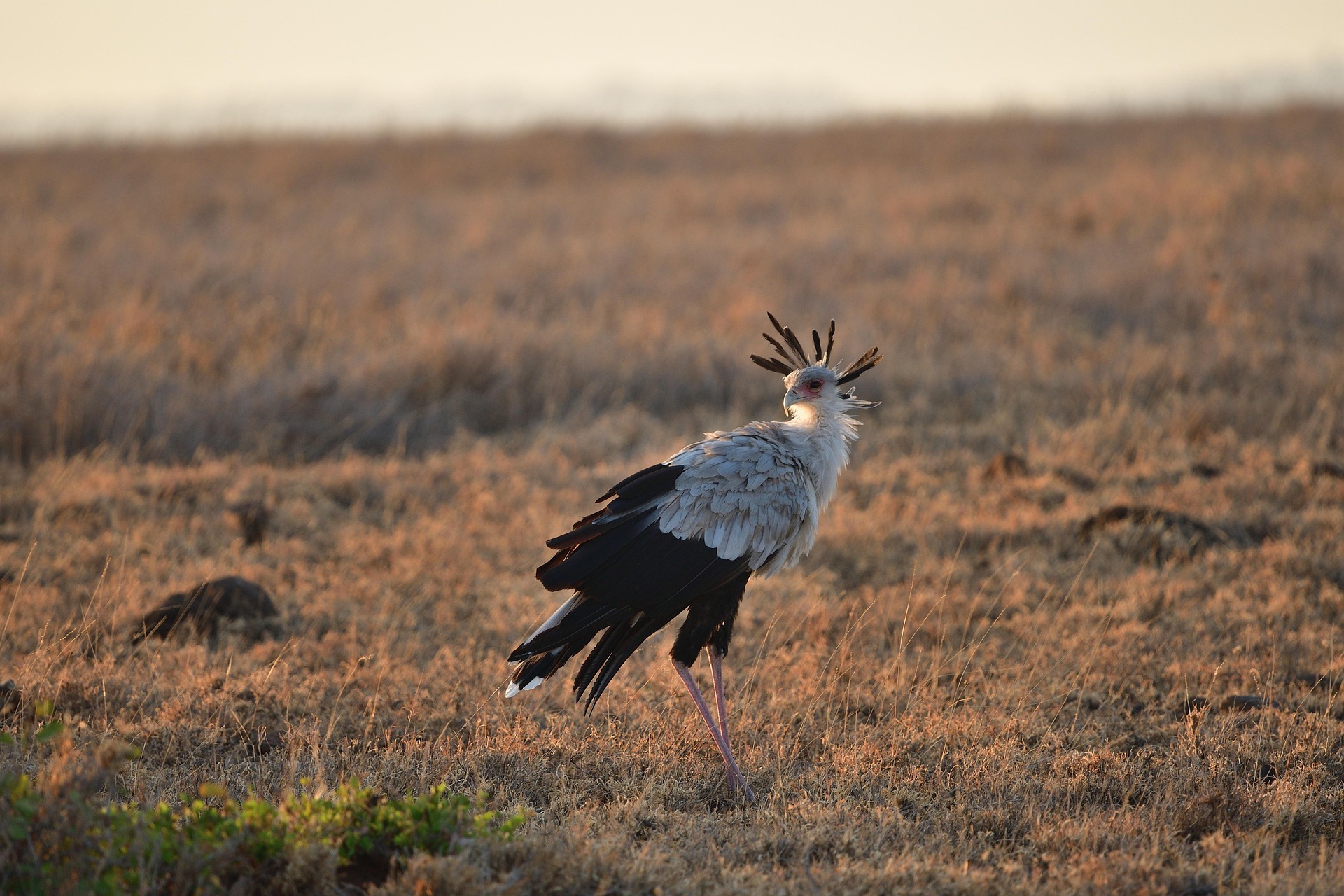
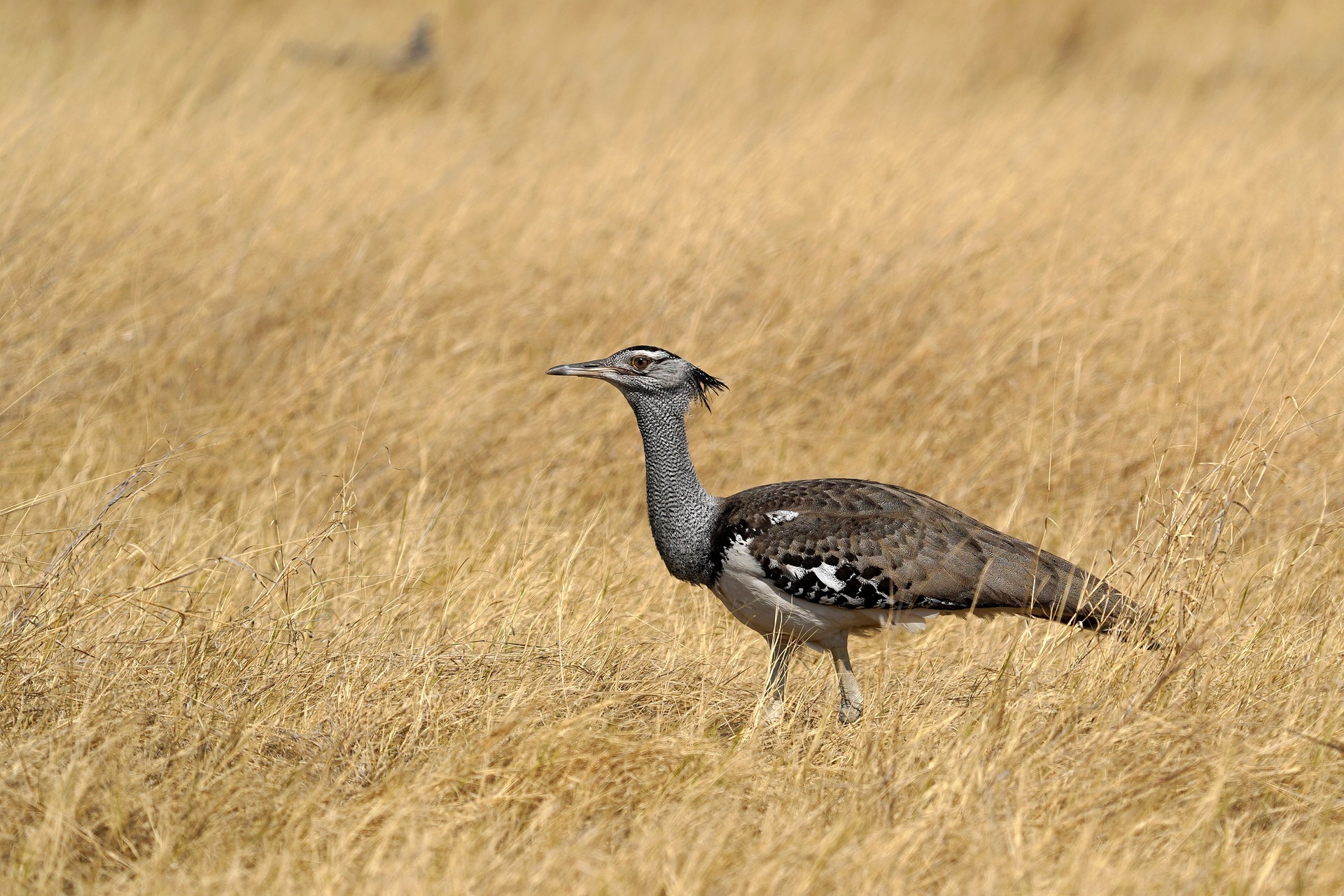
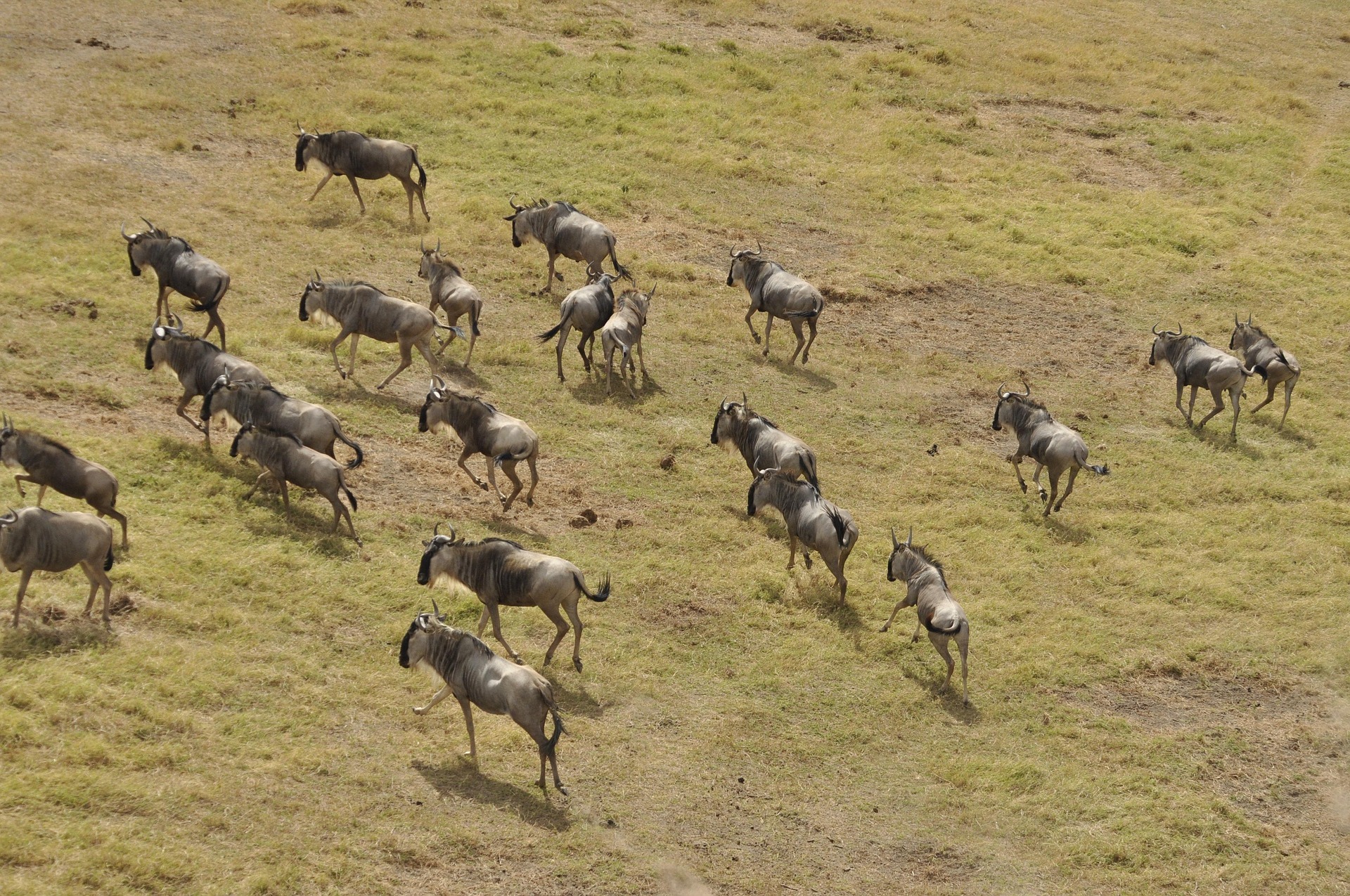
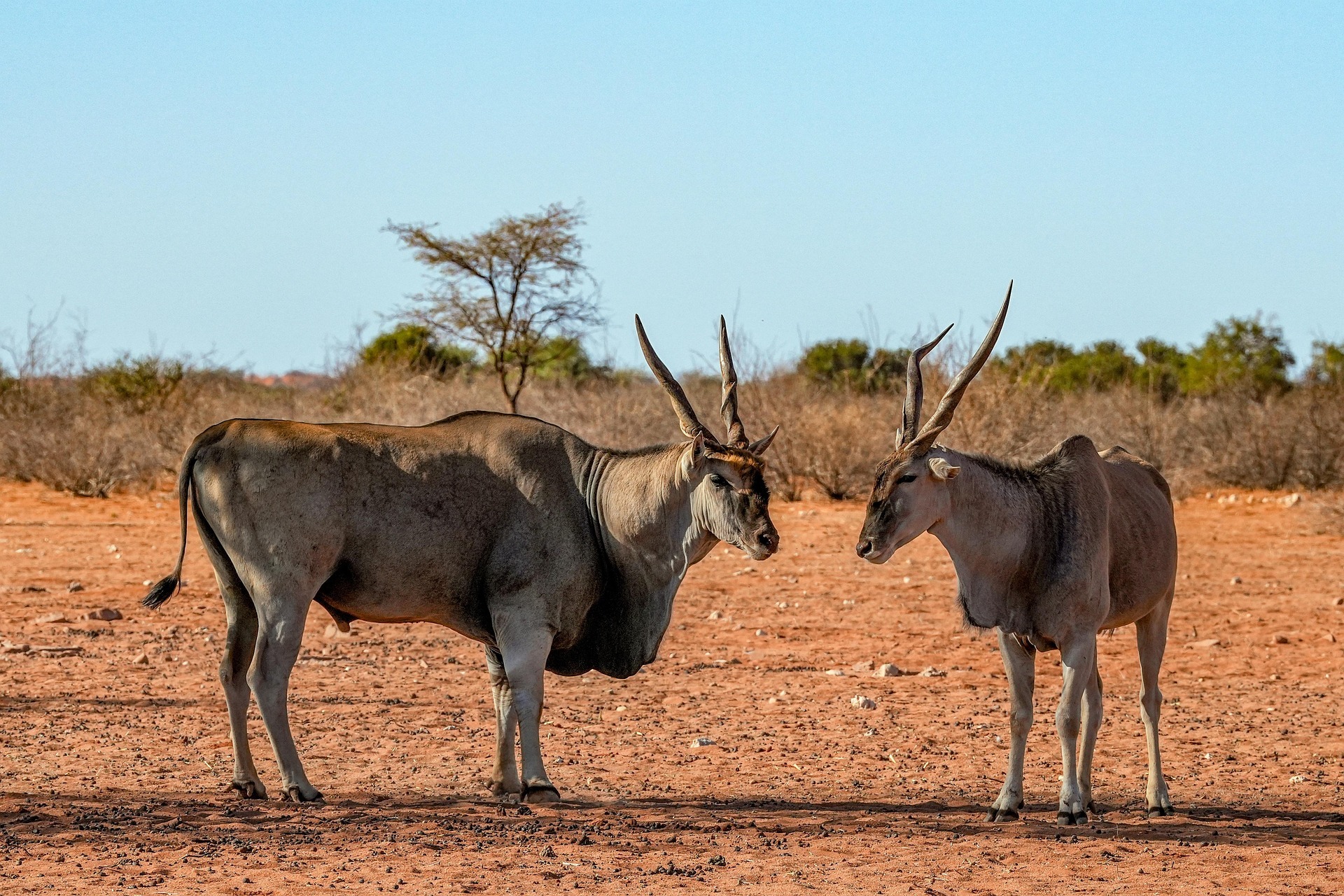
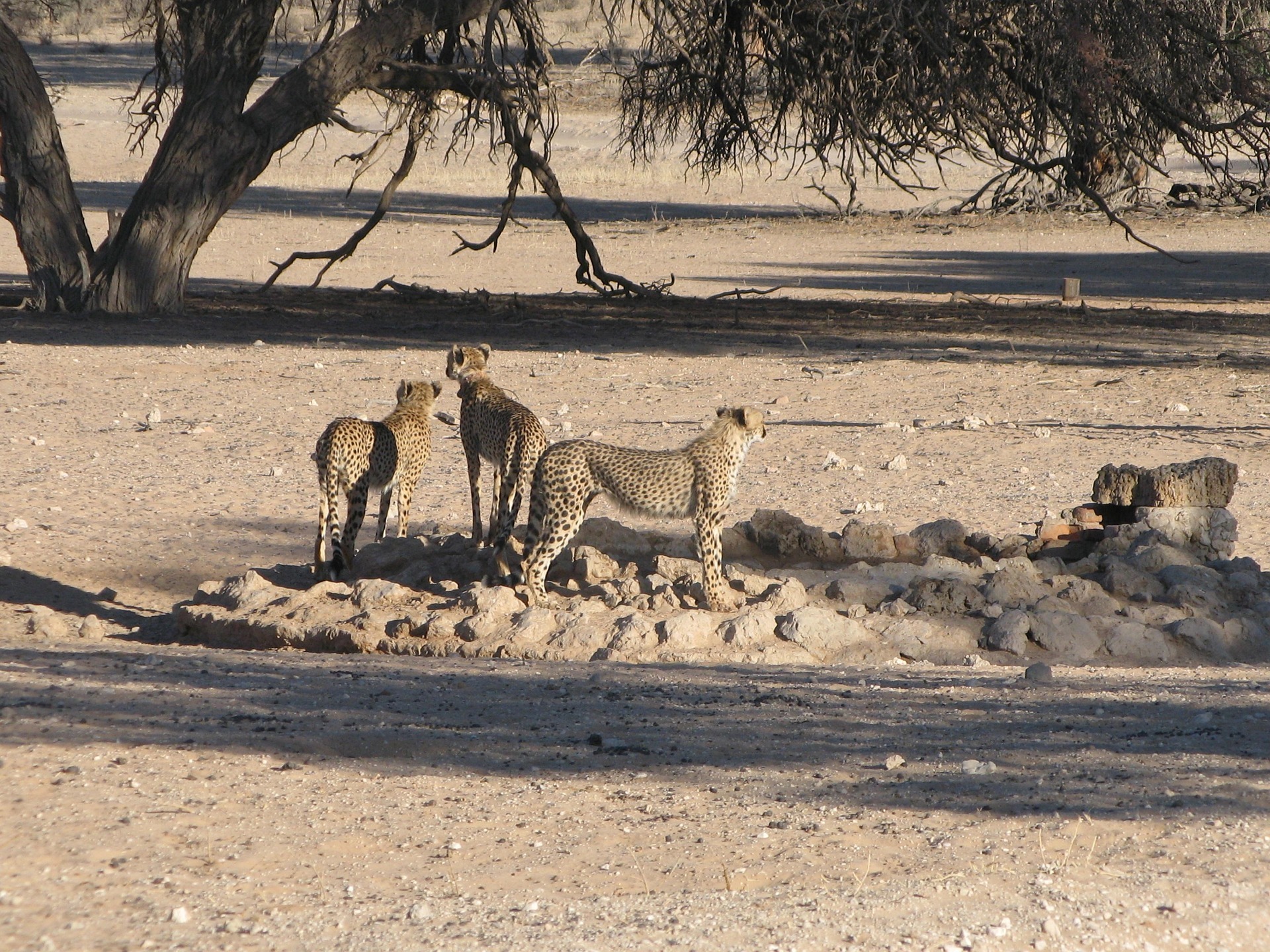
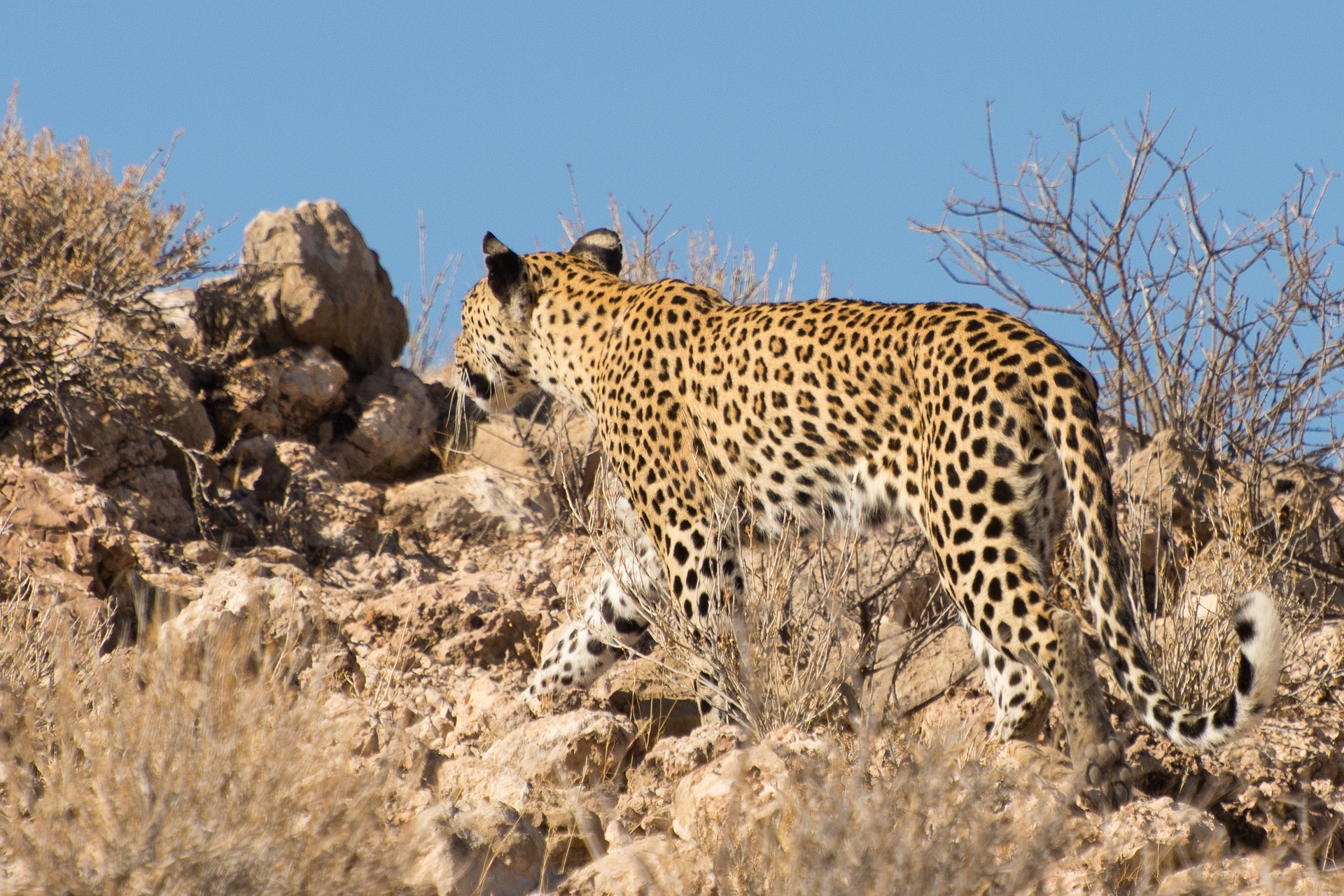
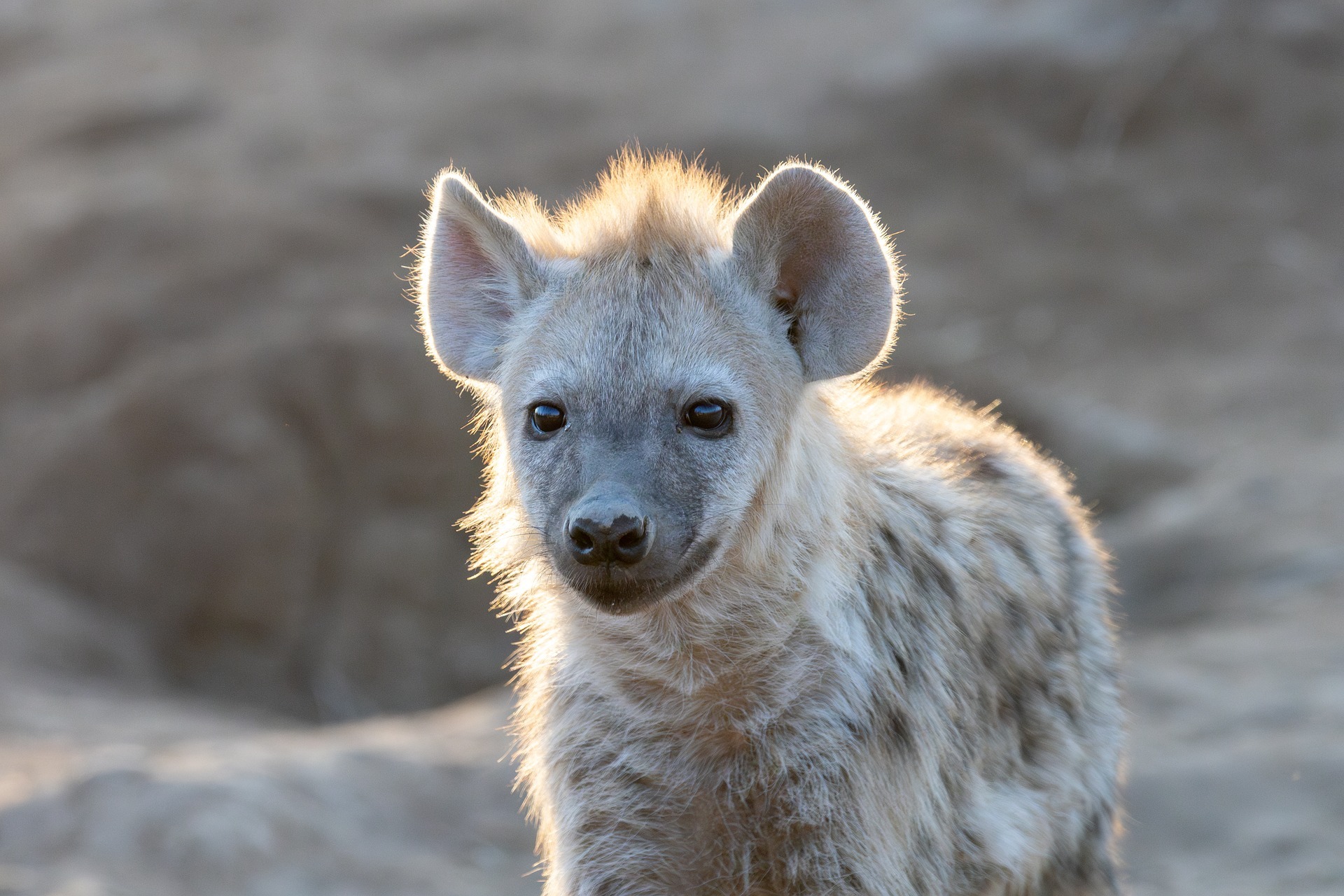
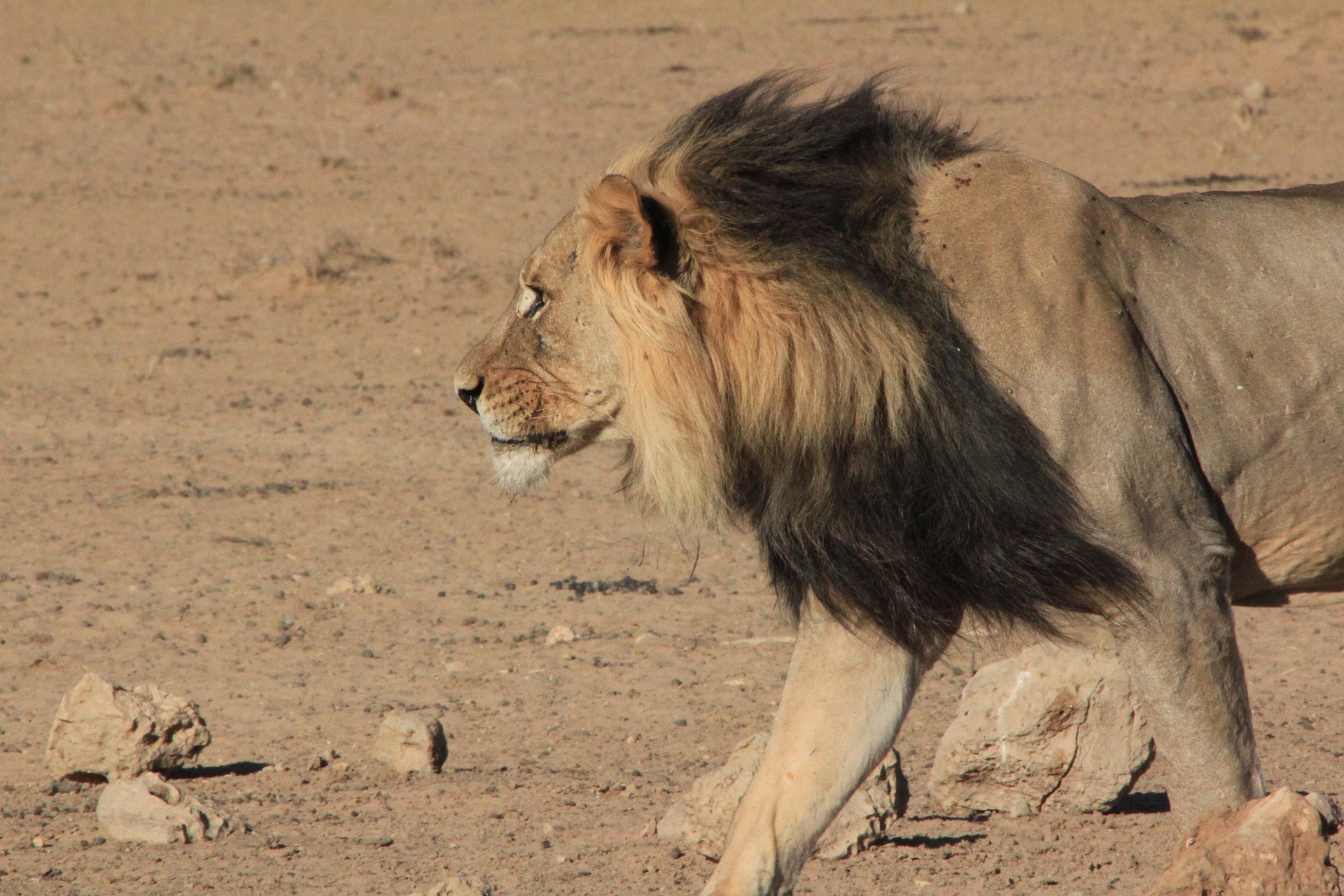
After good rains, the reserve comes alive with newborn antelope and increased predator activity, making it exceptional for photographers and serious wildlife enthusiasts.
Best Time to Visit the Central Kalahari Game Reserve
Timing is everything in the Kalahari. Each season offers a very different experience.
December to April – Green Season (Best for Wildlife Activity)
- Summer rains transform the desert
- Migratory animals move into the reserve
- Excellent predator action around pans
- Dramatic skies and fresh landscapes
- Hot temperatures, but rewarding safaris
May to October – Dry Season (Remote and Quiet)
- Cooler nights and mild days
- Wildlife more spread out
- Exceptional sense of isolation
- Ideal for travelers seeking solitude
Central Kalahari Game Reserve Safari is never about density. It is about authenticity and atmosphere.
Safari Activities in the Central Kalahari Game Reserve
Due to conservation regulations, activities in the reserve are focused and respectful of the environment.
Our Safari Experiences Include:
- Walking safaris where conditions allow
- Professional wildlife photography safaris
- Guided 4×4 game drives
- Night drives in permitted concession areas
- Predator tracking with experienced bush guides
Every drive is slow, observant, and led with intention. This is not a destination for rushing.
Accommodation in the Central Kalahari Game Reserve
Accommodation in the Central Kalahari is limited, remote, and carefully controlled.
Options Include:
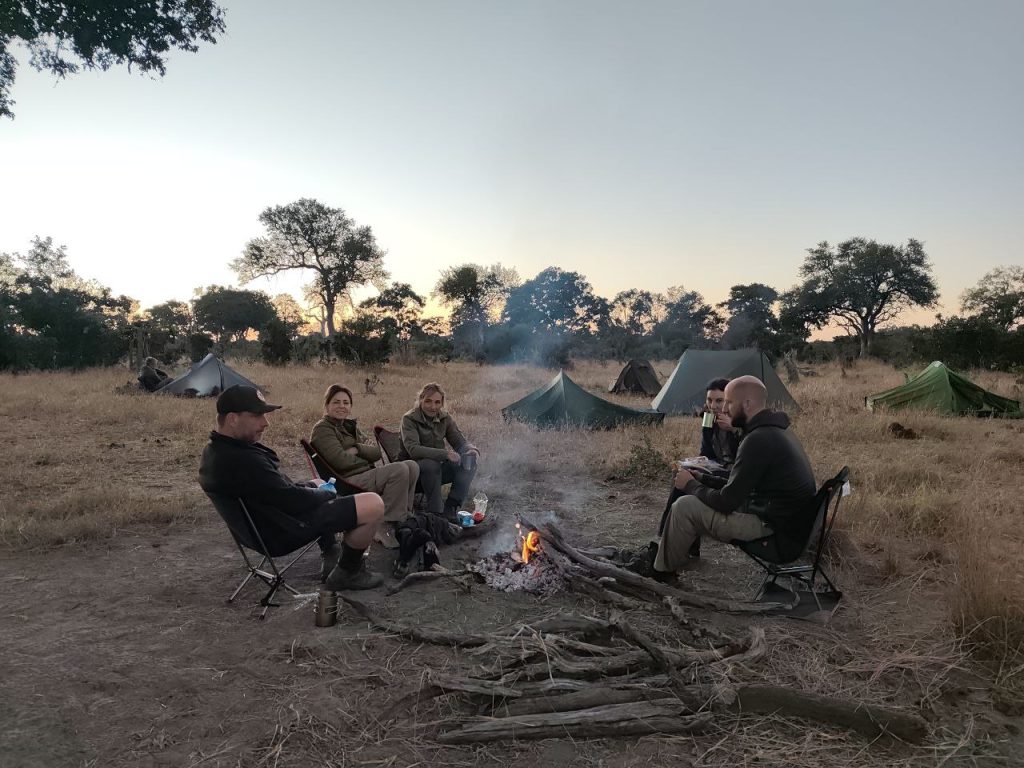
- Mobile safari camps under canvas
- Small, permanent tented camps
- Eco-focused lodges near key pans
Expect simple luxury, honest comfort, and complete immersion in the wilderness. There are no fences, no crowds, and very little light pollution.
Why Choose San and Nature for Your Central Kalahari Game Reserve Safari?
- Botswana-owned and locally operated
- Led by Kane Motswana, raised in the Kalahari
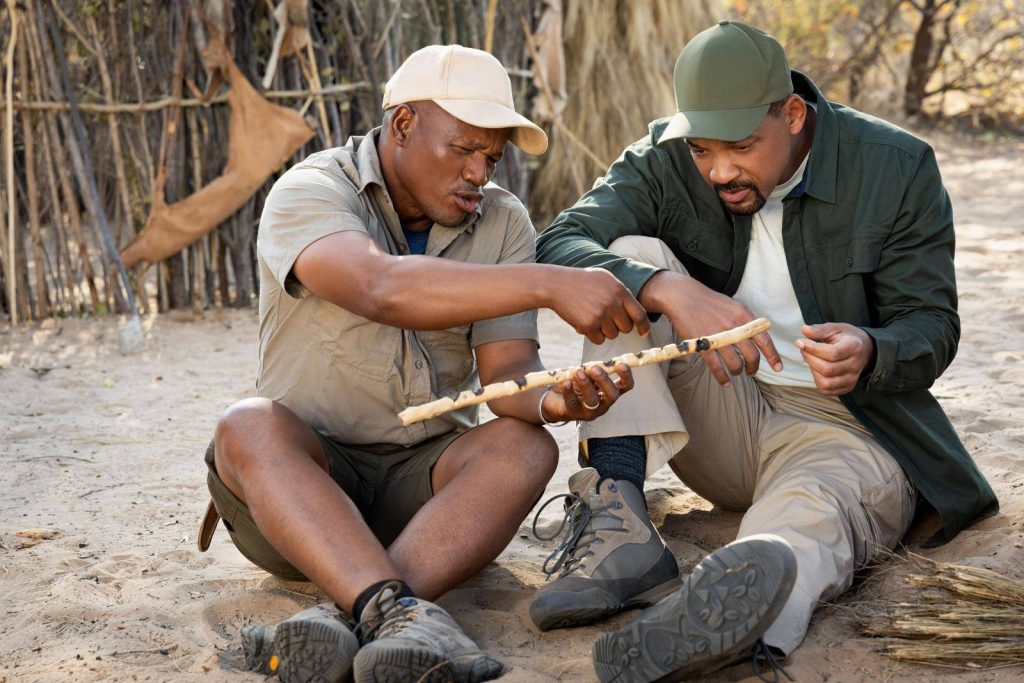
- Deep knowledge of San tracking and desert ecology
- Photography-focused guiding
- Ethical, low-impact safari practices
- Fully licensed and trusted safari operator
I do not just guide in the Kalahari. I come from it. That understanding changes the way you experience this place.
Frequently Asked Questions (FAQs)
Yes. Safaris are conducted with licensed guides and proper equipment. The remoteness requires experience, which is why guided safaris are essential.
A minimum of 3 to 4 nights is recommended to truly experience the reserve due to travel distances.
It is better suited to travelers who appreciate wilderness, patience, and authenticity rather than guaranteed sightings.
You may see lion and leopard regularly. Elephant and buffalo are rare and seasonal. Rhino are not present.
No. The Central Kalahari is largely unfenced, allowing natural wildlife movement.
Malaria risk is low but present during the wet season. Precautions are recommended.
Yes, but it is best suited for older children due to long drives and remote conditions.
Most travelers enter via Maun, using 4×4 vehicles or charter flights.
Ready to Experience the Real Kalahari?
If you are looking for a safari that strips away noise, crowds, and distractions, the Central Kalahari Game Reserve offers something rare. Space, silence, and a connection to Africa as it once was.
Let San and Nature guide you into the heart of the desert, where every track matters and every sighting feels personal.